Promoting Intercultural Dialogue through Digital Storytelling
PROJECT TEAM
SOPHIE COOPER is currently pursuing her undergraduate degree in International Relations and Social Anthropology at the University of St Andrews, where she is also a Laidlaw Leadership and Research Scholar. Her research interests include the Cold War, nationalism, and displacement, with a particular passion for exploring the human experiences behind major geopolitical events.
Dr. KYRIAKI TOPIDI is the head of the research cluster Culture & Diversity and joined ECMI in 2019. She holds a degree in law from the Robert Schuman Faculty of Law in Strasbourg, an MA in International Studies from the University of Birmingham, a PhD in European Studies from Queen's University Belfast, and a habilitation in Comparative Constitutional Law from the University of Fribourg. She has lectured extensively and conducted research in the areas of Public International Law, European Law, Human Rights, and Comparative Law.
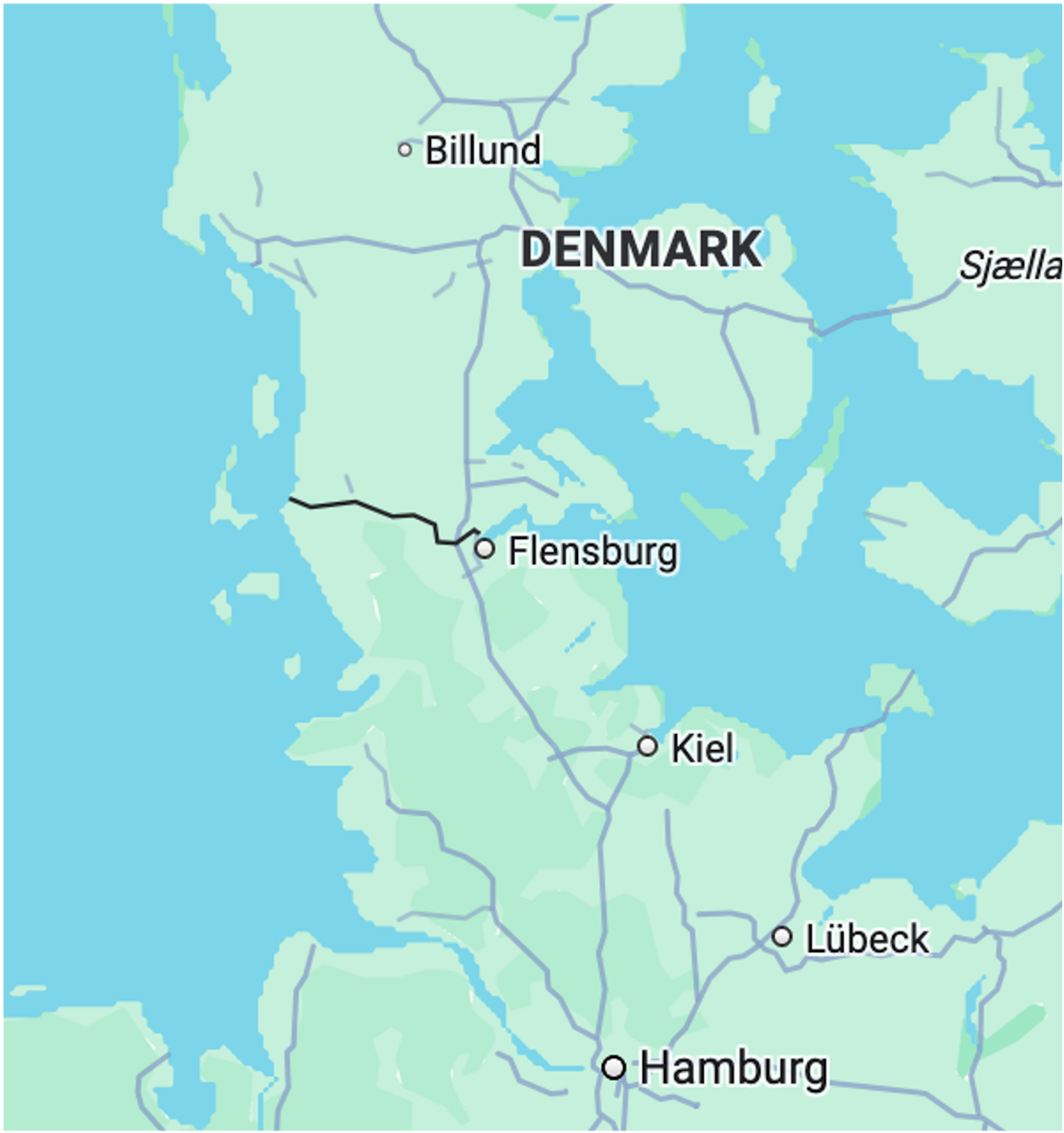
The project investigates how a participatory Digital Storytelling method can be used to share the lived experiences of minorities in a personal and empathetic way to promote intercultural dialogue. This project was conducted at the European Centre for Minority Issues (ECMI), as part of the Laidlaw Research and Leadership Scholarship programme. Centred on the Denmark-Germany border region, the project focused on three national minorities: the Danish minority in Germany, the German minority in Denmark, and the North Frisian minority. All participants were women and were also invited to reflect on how gender further shaped their experiences as a national minority.
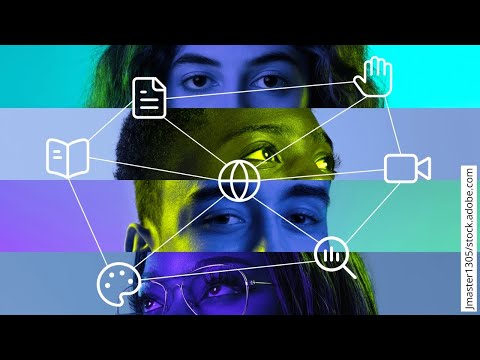
Through semi-structured interviews, participants shared experiences of identity, belonging, language, and place, shaping their own narratives in collaboration with the researcher. These accounts were then transformed by the researcher into digital stories (2–5 minute digital videos), combining participants’ voices, personal photographs, and music. The project unfolded in four stages: contextual research on the region; participant engagement and semi-structured interviews; production of digital stories with iterative feedback from participants; and dissemination through social media. Ethical considerations were central, with all participants giving informed consent and retaining the right to approve their digital stories and request changes.
The project contributes to improving the situation of minorities by making everyday realities visible to broader audiences, encouraging reflection on what it means to live between cultures and across borders. Additionally, making minority voices accessible through digital media provides a practical tool for fostering intercultural understanding. Finally, the project foregrounded individual voices, allowing participants to speak authentically and personally, while maintaining ownership of their stories throughout the process.
Digital storytelling, intercultural dialogue, national minorities, contextual research, participant engagement, semi-structured interviews, fostering intercultural understanding.



To visit the website click here: